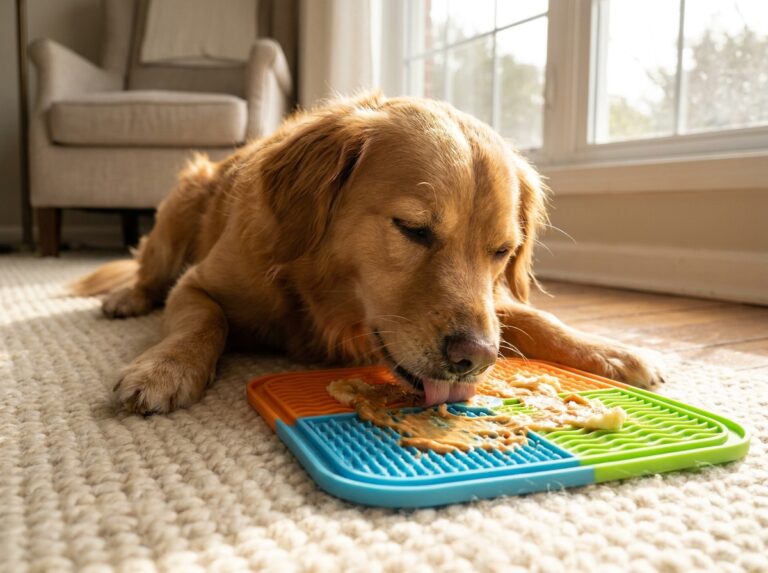
Furniture destruction is not an act of canine spite or a calculated “revenge” for being left alone. It is a physiological response to internal states—ranging from exploratory drives to profound separation distress—channeled through the dog’s primary tool for interacting with the environment: the mouth. Solving this requires moving beyond deterrent sprays and focusing on the biological and psychological root causes of the behavior.
The Science of Destructive Chewing
To resolve furniture chewing, we must first categorize the behavior through the lens of applied ethology. Dogs do not possess the cognitive architecture for “spite.” Instead, chewing serves three primary biological functions: sensory exploration, stress mitigation, and oral health maintenance.
The Neurobiology of Oral Interaction
For a dog, the mouth is as much a sensory organ as the nose. The act of chewing triggers the release of endorphins and dopamine in the canine brain. This neurochemical reward system is why chewing is inherently self-soothing. When a dog is left alone and experiences a spike in cortisol (the stress hormone), they instinctively seek out activities that produce counter-regulatory neurotransmitters. Hardwood furniture or upholstered cushions provide the tactile resistance necessary to trigger this physiological “calming” mechanism.
Separation-Related Behaviors (SRB) vs. Boredom
Research in veterinary behavior distinguishes between “Exploratory Destruction” and “Separation-Related Behavior.”
- Exploratory Destruction: This is common in adolescent dogs or high-drive working breeds. It occurs when the environment is “impoverished”—meaning it lacks sufficient mental or physical stimuli. The dog chews the sofa because the sofa is the most interesting object available.
- Separation-Related Behavior: This is a manifestation of separation anxiety. In these cases, the chewing is often focused on “exit points” (door frames, window sills) or items heavily scented with the owner’s pheromones. The destruction is a frantic attempt to escape or a compulsive coping mechanism for panic.
The Role of Contrafreeloading
Ethologists have long observed a phenomenon called “contrafreeloading,” where animals prefer to work for food rather than eat it from a bowl. When left alone with no “job,” a dog may invent one. Dismantling a mahogany table leg provides the resistance and cognitive engagement that a static food bowl does not. Without a structured outlet for this drive, the furniture becomes the default workspace.
At a Glance: Identifying the Root Cause
| Symptom | Likely Cause | Management Priority |
| :— | :— | :— |
| Chewing focused on doors/windows | Separation Anxiety | Desensitization & Veterinary Consult |
| Random destruction of various items | Boredom/Lack of Enrichment | Increased Physical/Mental Exercise |
| Focus on soft items (pillows, rugs) | Sucking/Comfort Seeking | Stress Reduction & Soft Alternatives |
| Systematic “shredding” of wood | Predatory Drive/Foraging | Long-lasting Edible Chews |
The Real Solution: A Step-by-Step Intervention Protocol
Stopping furniture chewing requires a three-pronged approach: Environmental Management, Biological Fulfillment, and Active Redirection. You cannot train a dog while you are not there; therefore, the work happens while you are present to ensure success when you are absent.
Step 1: Immediate Environmental Management
Management is the process of preventing the dog from practicing the unwanted behavior. Every time your dog chews the furniture, the behavior is reinforced by the chemical reward in their brain.
1. Restrict Access: Use extra-tall baby gates or exercise pens to confine the dog to a “dog-proofed” area with non-porous flooring.
2. Texture Modification: If specific furniture cannot be moved, apply a bitter deterrent. However, deterrents only work if an alternative is provided.
3. Visual Barriers: If the dog chews window sills while looking at triggers outside, use frosted window film to lower environmental arousal.
Step 2: Establish an Enrichment Hierarchy
You must provide an outlet that is more satisfying than the furniture. This involves a concept known as “sensory matching.” If your dog likes chewing wood, a plush toy will not suffice. You must provide a safe wood alternative (like Java wood or coffee wood chews).
- For Wood-Chewers: Root chews or compressed wood sticks designed for dogs.
- For Fabric-Shredders: Multi-layered “destruction-friendly” toys that allow the dog to pull pieces apart safely.
- For “Gulping” Chews: Heavy-duty rubber toys stuffed with frozen wet food to prolong the engagement time.
Step 3: Calibrating the “Pre-Departure” Window
Most furniture chewing occurs within the first 20 to 30 minutes after an owner leaves, coinciding with the initial spike in isolation stress.
1. High-Intensity Exercise: Perform 15 minutes of structured play (flirt pole, tug, or fetch) followed by a 10-minute “cool down” sniff walk.
2. The “Decompression” Meal: Instead of a bowl, provide the dog’s breakfast in a complex puzzle toy 10 minutes before you leave. This transitions the dog from a high-arousal state to a focused, foraging state.
3. Scent Swapping: Place a recently worn t-shirt in the dog’s confinement area. The familiar scent can lower cortisol levels in dogs prone to mild isolation distress.
Step 4: Desensitization to Departure Cues
Dogs are masters of pattern recognition. They know you are leaving long before you touch the doorknob. The sound of keys or the sight of work boots triggers an early-onset anxiety response.
1. Identify Cues: List everything you do before leaving (picking up keys, putting on a coat, applying makeup).
2. Neutralize Cues: Perform these actions throughout the day without leaving. Pick up your keys and sit on the sofa. Put on your coat and feed the dog dinner.
3. Duration Building: Practice “micro-departures.” Step outside the door for 5 seconds, then return before the dog reacts. Gradually increase this to 1 minute, 5 minutes, and 20 minutes.
Chew Safety and Material Comparison
When selecting alternatives to furniture, safety is paramount. Not all commercial chews are appropriate for unsupervised use.
| Material Type | Best For… | Risk Level | Notes |
|---|---|---|---|
| Natural Rubber (Hollow) | Heavy chewers/Anxious dogs | Low | Best when frozen with wet food. |
| Nylon/Hard Plastic | Power chewers | Moderate | Can cause gingival bleeding; discard when “bristles” form. |
| Coffee Wood / Root Chews | Dogs who target furniture legs | Low to Moderate | Does not splinter like kiln-dried furniture wood. |
| Dehydrated Animal Parts | Foraging/High-drive dogs | High (Unsupervised) | Risk of choking or GI blockage if swallowed whole. |
Troubleshooting: When the Protocol Fails
If you have implemented management and enrichment but the furniture destruction persists, you are likely dealing with one of three common failure points.
The “Deterrent-Proof” Dog
Some dogs develop a “learned irrelevance” to bitter sprays, or worse, some actually enjoy the taste of alcohol-based deterrents. If your dog continues to chew treated furniture:
- Switch Active Ingredients: Move from bitter apple to a white vinegar/water solution or a concentrated cherry extract.
- Physical Barriers: Use “X-Mats” (plastic mats with dull nubs) or furniture covers made of heavy-duty ballistic nylon that offer no “purchase” for the dog’s teeth.
The “Velcro Dog” Phenomenon
If the dog only chews when you are on the other side of a door—even if you are still home—the issue is “hyper-attachment.” This requires a protocol of “place” training. Teach the dog to remain on a specific bed or mat while you move around the house. Use a graduated independence scale, rewarding the dog for remaining calm while you are in another room for increasing increments of time.
Silent Separation Anxiety
Many owners assume their dog is “just bored” because the dog doesn’t howl or bark. However, “silent” separation anxiety often manifests as destructive chewing. To diagnose this:
1. Set up a Camera: Use a pet cam to observe the dog’s behavior the moment you leave.
2. Watch for Physiological Signs: Pacing, excessive salivation (look for wet spots on the floor), trembling, or dilated pupils are signs of a panic disorder, not boredom.
3. Consult a Professional: If the camera reveals a dog in a state of panic, you must consult a Veterinary Behaviorist. Modification of neurochemistry through medication may be necessary before any behavioral training can take effect.
Prevention of Recurrence and Escalation
Once the chewing has stopped, maintaining a “destruction-free” home requires ongoing vigilance. Behavioral “setbacks” are common during transitions, such as moving to a new home, changes in work schedules, or the addition of a new family member.
Maintain “Active” Enrichment
Enrichment is not a one-time fix; it is a lifestyle requirement. Rotate your dog’s chew toys every 48 hours to maintain “novelty.” An old toy becomes “new” again if it has been out of sight for a week. Continue to feed at least 50% of the dog’s calories through interactive means (snuffle mats, wobblers, or hidden “scent puzzles” around the room).
The “Capture Calm” Technique
Many dogs chew because they do not know how to “off-switch.” You must actively reinforce the state of relaxation. When your dog is lying down quietly of their own accord, calmly place a high-value treat between their paws. Do not use an excited voice. This reinforces the physiological state of rest, making it their default choice when left alone.
Regular Physical and Cognitive Audits
As dogs age, their needs change. An adolescent dog may need two hours of engagement, while a senior dog may only need thirty minutes but requires more “orthopedic” comfort to prevent stress-chewing. Regularly audit your dog’s daily routine to ensure their biological “cup” is being filled before you walk out the door.
Quick Reference: The “Left Alone” Checklist
- Exercise: High-intensity play followed by a decompression sniff.
- Management: Dog-proofed area or crate if the dog is crate-trained.
- Deterrents: Applied to “vulnerable” furniture corners.
- Engagement: At least two different textures of safe chews available.
- Work: A frozen puzzle toy or long-lasting edible chew given upon departure.
- Monitoring: Camera active to distinguish between boredom and anxiety.
Key Takeaways
- Chewing is Physiological: It is a self-soothing mechanism that releases dopamine; provide safe alternatives that mimic the texture of the furniture being targeted.
- Distinguish Boredom from Anxiety: Boredom is solved with enrichment; anxiety requires a systemic desensitization protocol and potentially professional veterinary intervention.
- Management is Mandatory: Every successful “chew session” on a sofa reinforces the habit; use gates and pens to prevent the behavior while training is in progress.
- Sensory Matching is Key: If a dog wants to chew wood, give them safe wood; if they want to shred fabric, give them safe shreddable outlets.
- Departure Cues Matter: Neutralize the sounds and sights of your leaving to lower the dog’s baseline stress before you even exit the building.