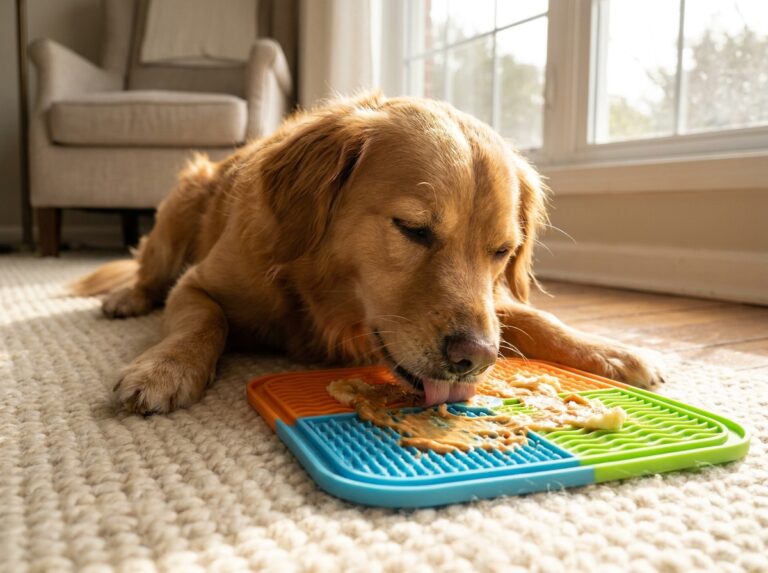
Anxious chewing is not a malicious act of destruction; it is a physiological SOS from an overstimulated canine nervous system. By utilizing targeted lick mat interventions, you can trigger the immediate release of calming hormones to naturally pacify your dog’s distress. This step-by-step, science-backed guide provides the ultimate blueprint and seven specialized recipes to transition your dog from destructive chewing to sustained, peaceful licking.
The Neurobiology of Licking vs. Chewing
To resolve destructive chewing, we must first understand why it occurs. In canine ethology, chewing and shredding are active, high-arousal displacement behaviors. When a dog experiences stress—whether from separation anxiety, noise phobias, or environmental changes—their hypothalamic-pituitary-adrenal (HPA) axis activates, flooding their bloodstream with cortisol and adrenaline. To cope with this chemical surge, dogs instinctively seek out oral stimulation.
Chewing is often an expression of the sympathetic nervous system’s “fight-or-flight” energy. Licking, however, operates on an entirely different neural pathway.
Repetitive, rhythmic licking stimulates the sensitive sensory receptors on a dog’s tongue, which directly communicate with the vagus nerve. The vagus nerve is the main highway of the parasympathetic nervous system (PNS), responsible for the “rest-and-digest” response. When the PNS is activated:
- Heart rate and blood pressure decrease.
- Cortisol production is actively suppressed.
- The brain releases endogenous opioids (endorphins) and dopamine, creating a natural sedative effect.
Research published in the Journal of Veterinary Behavior highlights that environmental enrichment, specifically food-retrieval tasks that promote licking, significantly reduces stereotypic behaviors and physiological markers of chronic stress in dogs. By substituting destructive chewing with a structured licking task, you are chemically re-wiring your dog’s response to stress.
At a Glance: The Science of Licking
- System Activated: Parasympathetic Nervous System (PNS) via vagal stimulation.
- Hormonal Shift: Decreases cortisol and adrenaline; increases dopamine and endorphins.
- Behavioral Transition: Redirects high-arousal destructive chewing to low-arousal, self-soothing licking.
- Primary Benefit: Lowers baseline anxiety, improves cognitive flexibility, and fosters independence.
—
The Non-Medical Intervention Protocol
Simply spreading peanut butter on a mat and dropping it on the floor can backfire. If an anxious dog is presented with a highly challenging task while already in a state of high arousal, their frustration will trigger more chewing, potentially leading to the destruction and ingestion of the mat itself. You must follow a systematic, step-by-step protocol to build a positive behavioral loop.
Step 1: Select the Correct Mat Architecture
Not all lick mats are created equal. For anxious chewers, you must avoid thin, flexible, cheap plastics. Select heavy-duty, food-grade silicone mats with deep, complex grooves, or natural rubber options designed specifically for aggressive chewers. The pattern matters:
- Labyrinths and Tight Grooves: Best for thin liquids (broths, kefirs) as they require precise tongue work.
- Nobs and Dots: Best for thicker purees (pumpkin, sweet potato) as they hold larger chunks of food.
Step 2: Establish a Low-Difficulty Baseline
Never freeze the lick mat on your first few attempts. Your initial goal is to build value and prevent frustration.
1. Spread a highly palatable, soft ingredient (like plain Greek yogurt or warm pumpkin puree) across only 50% of the mat.
2. Leave the food completely unfrozen at room temperature.
3. Present the mat to your dog while you are in the room. Observe their technique. If they try to bite or scratch the mat, gently redirect them by pointing to the wet food, or briefly pick the mat up for 5 seconds to demonstrate that only licking keeps the resource accessible.
Step 3: Implement the Gradual Freeze Progression
Once your dog can lick the unfrozen mat clean for three consecutive sessions without attempting to chew the rubber, you can increase the difficulty to prolong the calming effect.
- Level 1 (The Chill): Refrigerate the prepped mat for 30 minutes before serving.
- Level 2 (The Slush): Freeze the mat for 30 to 45 minutes, leaving the core soft but the surface firm.
- Level 3 (The Deep Freeze): Freeze the mat solid for 4 to 6 hours. This is the goal state for maximum duration and calming sensory input.
Step 4: Strategic Antecedent Arrangement
Timing is critical. If you only give your dog a lick mat when you are leaving the house, the mat will quickly become a predictor of your departure, triggering pre-departure anxiety.
Instead, introduce the lick mat 15 to 20 minutes before a known stressor occurs. This allows the parasympathetic nervous system to activate and the soothing hormones to flood the brain before the environmental trigger (like a thunderstorm, guests arriving, or your departure) can spike their adrenaline.
—
7 Genius Lick Mat Recipes to Calm Anxious Chewers
The following recipes are formulated using ingredients rich in natural L-tryptophan, calming amino acids, anti-inflammatories, and high-value aromatics to maximize cognitive engagement.
| Recipe Name | Primary Sensory Benefit | Recommended Freezing Level | Estimated Duration |
|---|---|---|---|
| 1. The Gut-Brain Axis Calmer | Probiotic-rich, soothing digestion | Fully Frozen | 20–25 minutes |
| 2. The Omega-3 High-Value Distractor | Intense olfactory saturation | Lightly Chilled | 15 minutes |
| 3. The Slow-Burn Soother | High viscosity, deep jaw fatigue | Fully Frozen | 30 minutes |
| 4. The Anti-Inflammatory Freeze | Neuroprotective antioxidants | Fully Frozen | 25 minutes |
| 5. The Serotonin Booster | Natural L-tryptophan precursor | Partially Frozen | 20 minutes |
| 6. The Olfactory Saturation Mix | Species-appropriate raw scent enrichment | Room Temp or Chilled | 15 minutes |
| 7. The Electrolyte Hydration Station | Panting recovery & sensory contrast | Fully Frozen | 20 minutes |
Recipe 1: The Gut-Brain Axis Calmer
The enteric nervous system (the gut) produces over 90% of a dog’s serotonin. Supporting gut health directly supports emotional regulation.
- Ingredients:
* 3 tbsp plain, unsweetened goat’s milk kefir (natural probiotic)
* 2 tbsp pure organic pumpkin puree (rich in soluble fiber)
* 1 tsp concentrated chamomile tea reduction (brewed strong, then cooled; acts as a mild sedative)
- Preparation: Whisk the kefir, pumpkin, and cooled chamomile tea together until smooth. Spread evenly into the deepest grooves of a labyrinth-patterned mat. Freeze solid for 4 hours.
Recipe 2: The Omega-3 High-Value Distractor
Systemic inflammation is closely linked to heightened reactivity and anxiety. Omega-3 fatty acids help support cognitive health, while the intense scent of fish overrides environmental stressors.
- Ingredients:
* 1/2 can of sardines packed in water (no added salt), mashed into a fine paste
* 2 tbsp steamed, mashed sweet potato (cooled)
* A pinch of organic kelp powder
- Preparation: Blend the mashed sardines and sweet potato together to create an ultra-smelly, thick paste. Smear across the mat, sprinkle with kelp powder, and chill in the refrigerator for 30 minutes. The intense scent profile makes this perfect for sudden, high-stress events like fireworks.
Recipe 3: The Slow-Burn Soother
For dogs that rush through enrichment, this high-viscosity recipe requires maximum physical effort, promoting exhaustion and muscle relaxation.
- Ingredients:
* 2 tbsp all-natural, single-ingredient peanut butter (ensure it is strictly Xylitol-free)
* 2 tbsp unsweetened applesauce
* 1 tbsp organic chia seeds (soaked in water for 15 minutes to gelatinize)
- Preparation: Mix the peanut butter, applesauce, and gelatinized chia seeds. The chia seeds add a unique, gelatinous texture that traps the peanut butter in the mat’s crevices. Spread firmly onto a nub-textured mat and freeze for 6 hours.
Recipe 4: The Anti-Inflammatory Freeze
Chronic stress triggers neuroinflammation. This recipe uses turmeric and bone broth to soothe the body while providing a low-calorie, highly hydrating licking experience.
- Ingredients:
* 1/4 cup organic, low-sodium beef or chicken bone broth (must be onion- and garlic-free)
* 2 tbsp plain, non-fat Greek yogurt
* 1/4 tsp organic turmeric powder mixed with a tiny drop of coconut oil (to aid curcumin absorption)
- Preparation: Blend the yogurt and turmeric-coconut oil mixture. Spread this layer onto the mat first. Carefully pour the bone broth over the top into the remaining crevices. Freeze flat for at least 5 hours to create a solid, multi-layered ice barrier.
Recipe 5: The Serotonin Booster
This recipe delivers a direct hit of L-tryptophan, the essential amino acid precursor required for the synthesis of serotonin in the brain.
- Ingredients:
* 3 tbsp plain, cooked skinless turkey breast puree (blended with water)
* 1/2 ripe banana, mashed (rich in vitamin B6 and potassium, which help convert tryptophan to serotonin)
* 1 tbsp low-fat, sodium-free cottage cheese
- Preparation: Thoroughly mash the banana and cottage cheese together, then fold in the turkey puree. Spread the mixture smoothly across the mat, pressing it flat into the grooves. Freeze for 2 hours for a firm, chewy consistency.
Recipe 6: The Olfactory Saturation Mix
Dogs experience the world through their noses. By engaging their olfactory senses with highly complex, species-appropriate aromas, you can exhaust their brains much faster than through physical exercise alone.
- Ingredients:
* 2 tbsp canned green beef tripe (highly aromatic and packed with natural enzymes)
* 2 tbsp organic carrot puree
* A few drops of pure, unsalted wild salmon oil
Preparation: Combine the green tripe and carrot puree. Drizzle with salmon oil. Because of the intense aroma, serve this recipe at room temperature or slightly chilled to maximize scent dispersal. Note: Best served in an easily cleanable area or outdoors due to the strong smell.*
Recipe 7: The Electrolyte Hydration Station
Anxious dogs often pant excessively, leading to dry mouth and mild dehydration, which can worsen feelings of lethargy and distress.
- Ingredients:
* 3 tbsp unsweetened organic coconut water or goat’s milk
* 1/4 cup fresh, organic wild blueberries (mashed)
* 2-3 fresh mint leaves, minced incredibly fine
- Preparation: Scatter the mashed blueberries and minced mint across the mat. Pour the coconut water or goat’s milk over the top to submerge the ingredients. Freeze solid for 4 hours. The mint acts as a natural breath freshener and sensory coolant, while the electrolytes restore hydration.
—
Troubleshooting: When This Doesn’t Work
If your dog is not responding well to the lick mat, avoid forcing the issue. Evaluate the following failure points and adjust your approach.
Symptom: The Dog Immediately Chews or Destroys the Mat
- The Cause: High frustration threshold or incorrect progression. Your dog is likely trying to access the food faster than their licking skills allow, or they have already associated rubber items with destructive chewing.
- The Solution: Immediately downgrade the difficulty. Stop freezing the mat. Switch to a highly liquid ingredient (like warm bone broth or pureed baby food) that requires zero teeth to extract. Alternatively, use a plastic-backed, rigid suction-cup mat and mount it vertically to a glass door or bathtub wall. This vertical angle makes it anatomically awkward for the dog to get their back molars around the edge of the mat to chew it.
Symptom: The Dog Walks Away and Shows No Interest
- The Cause: High-arousal stress-induced anhedonia. When a dog’s sympathetic nervous system is fully red-lined (e.g., during severe thunderstorm phobia or extreme separation anxiety), their digestive tract shuts down. Eating is a non-essential survival function; therefore, they physically cannot bring themselves to ingest food.
- The Solution: You are introducing the mat too late in the stress cycle. You must present the lick mat when the dog is still below their threshold. Refer to the ASPCA behavior guidelines on desensitization to identify early-stage stress indicators (such as lip-licking, yawning, or pacing) so you can intervene before their appetite shuts down. If the dog is calm but still uninterested, increase the value of the food by warming it up to intensify the aroma.
Symptom: The Dog Becomes Stiff, Growls, or Guards the Mat
- The Cause: Resource guarding. Lick mats are incredibly high-value resources. If you have a multi-dog household, the presence of a lick mat can trigger conflict and increase overall household stress.
- The Solution: Never feed lick mats in communal spaces if resource guarding is present. Provide lick mats exclusively behind physical barriers, such as inside a closed crate, behind a baby gate, or in a separate room. Do not approach your dog while they are utilizing the mat. When the session is over, wait until your dog voluntarily leaves the empty mat before retrieving it.
—
Prevention and Long-Term Management
Lick mats are an exceptional tool, but they are a single component of a holistic behavioral plan. To permanently resolve anxious chewing, you must implement environmental management strategies to reduce your dog’s baseline stress.
- Provide Daily Decompression Walks: Allow your dog to explore green spaces on a 15-to-20-foot long line, allowing them to sniff freely. Sniffing, like licking, lowers the heart rate and satisfies natural foraging instincts.
- Rotate Cognitive Challenges: Prevent boredom by rotating through different mental enrichment toys, such as snuffle mats, puzzle feeders, and basic scent work games.
- Establish Predictable Routines: Anxious dogs thrive on predictability. Ensure training, exercise, feeding, and rest periods occur at similar times daily to lower overall cortisol levels.
If your dog exhibits signs of severe separation anxiety, self-mutilation, or panic-induced destruction of crates and doors, home-based enrichment alone will not suffice. You should consult a board-certified veterinary behaviorist to discuss a structured desensitization plan, potentially supported by temporary, supportive behavioral medication to raise their threshold of learning.
—
Key Takeaways
- Licking is Physiological Decompression: The physical act of licking stimulates the vagus nerve, releasing natural endorphins that suppress cortisol and induce calm.
- Never Start with a Frozen Mat: Avoid frustration-based chewing by starting with warm, easily accessible purees before progressing to frozen options.
Timing is Key: Introduce the lick mat 15 to 20 minutes prior* to a known stressor to proactively engage the parasympathetic nervous system.
- Match Ingredients to Behavioral Needs: Use specific ingredients like L-tryptophan (turkey), Omega-3s (sardines), and probiotics (kefir) to support gut-brain health and reduce anxiety.
- Respect the Limits of Enrichment: If your dog is in a state of high panic, their digestive system will shut down; lick mats must be used as a preventative tool below their threshold, not as a cure during a panic attack.